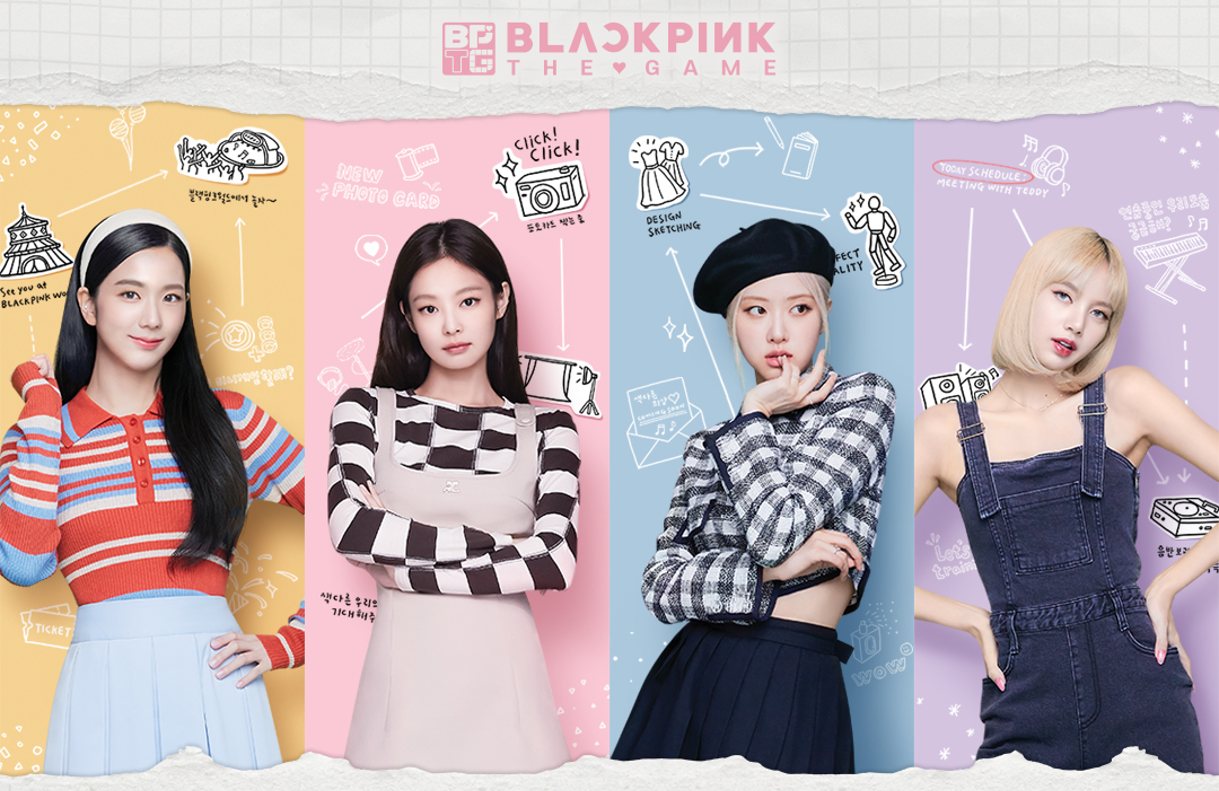
BLACKPINK THE GAME
Global game launch, marketed in about 10 key markets
What makes a campaign feel like it belongs to a fandom?
570K+followers before paid digital10 + 5digital + OOH markets#1in 24 App Stores*
*Project-wide result
Read chapter →




Also in this book
Quick View
Swipe through, or switch to the grid. Filter by the kind of work you’re hiring for.
Global game launch, marketed in about 10 key markets
What makes a campaign feel like it belongs to a fandom?
*Project-wide result
Read chapter →Brand film series, rebrand, and acquisition for a securities firm
Does every brand challenge need an advertising solution?
Men’s health supplement launch
What’s the difference between targeting an audience and designing around their day?
Three-year digital media partnership
What if more clicks didn’t mean a better coffee experience?
New-user discovery and target validation across 12 PC cafés
Where do you meet a potential player, and what makes them play for the first time?
Social listening and content, with a separate Manchester United campaign
Customers were already looking for answers. Was the brand listening?

Chapter Four
What if more clicks didn’t mean a better coffee experience?
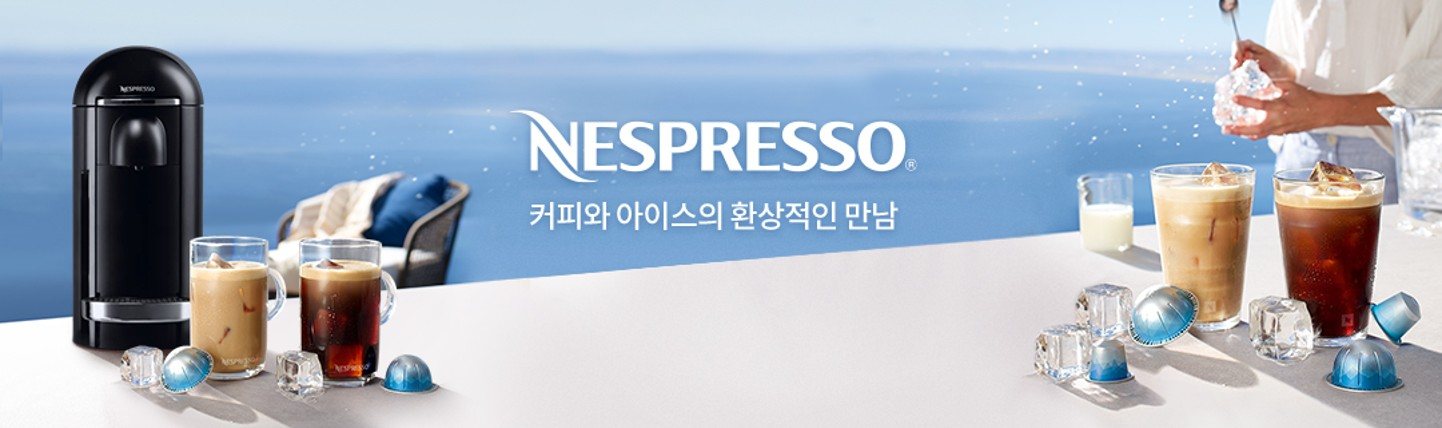
This was a three-year partnership, not one campaign: 33 campaigns across brand communications, the Vertuo machine launch, seasonal and limited-edition coffees, promotions, and a B2B office-machine line.
The work ran on YouTube, Instagram, Facebook, LinkedIn, Naver (Korea’s largest portal), Kakao, and other media. Every day I read reports full of clicks, impressions, views, CTR, CPC, and CPV. Over time I started to ask what those numbers meant. Was cutting CPV by half a cent a win? Did a half-point drop in CTR mean a campaign was failing?
The question I kept coming back to: what do we want people to experience, understand, or do when they meet this campaign? It changed how I set budgets, chose audiences, and judged results.
My roleMedia planning and buying, optimization, competitor analysis, vendor negotiation, and reporting to the client and Nespresso’s global HQ, in English.
SMR held attention, at a price. Its view-through rate was high, but it cost far more than YouTube and could barely target people interested in coffee.
Display placements were fading. I moved spend on Kakao, Korea’s main messenger platform, to mobile placements, where the same budget went much further.
Testing found a pattern. Frame-style banners, with image and copy separated, beat emotional key visuals.
In numbers: SMR’s view-through rate was 71%, at a CPM more than 40% above YouTube’s; the move to Kakao mobile placements cut CPM 41% and CPC 43%; average display CTR rose from 0.36% to 0.49%. The Vertuo launch made 2018 a much larger year. On Naver, I paired fixed homepage banners with interest-based display ads; the September Vertuo Latte campaign reached the year’s lowest CPC. In A/B tests, emotional key visuals drew CTRs of 0.32–0.62%, while the frame-style layout, setting the machine against the cup, drew 0.53–0.86%. Average display CPC fell 19% over the year. The lesson: each channel and creative needed to be judged against its own role, not one universal standard.
What SMR isA Korean video ad network whose ads can be skipped only after 15 seconds, which is why its view-through rate runs high.
Budget basisShares of total annual media investment.
Formats matched to stages. TrueView and Discovery to introduce, non-skippable ads to build interest, six-second bumpers to remind.
Stories told in sequence. People who watched the 30-second “Really George” brand film then saw shorter Vertuo machine videos, for more than 6.84 million connected views.
Retargeting by interest. Visitors were grouped by the page they had viewed (coffee, machine, or barista), and each group saw its own creative. On Nordic Moment, Facebook CTR rose from 3.63% to 4.48%.
Instagram CTR on the same campaign rose from 2.59% to 4.04%. YouTube investment grew 113% and SMR fell 70% year over year. To fight creative fatigue, I ran several versions at once so delivery could shift to the stronger ones, and when CPC climbed on Naver or social, budget could move to Kakao, where CPC ran lower. The shift was from managing channels one at a time to designing a connected journey.
Why sequenceA brand story earns attention first; the product video then lands with people who already know why it matters.
Changed the objective. Global HQ’s Ispirazione Italiana films told the stories behind Italian coffee cities. They were made to be watched, not clicked, so I switched the social campaign from traffic to video views. It reached 26.3 million views, 121% of target.
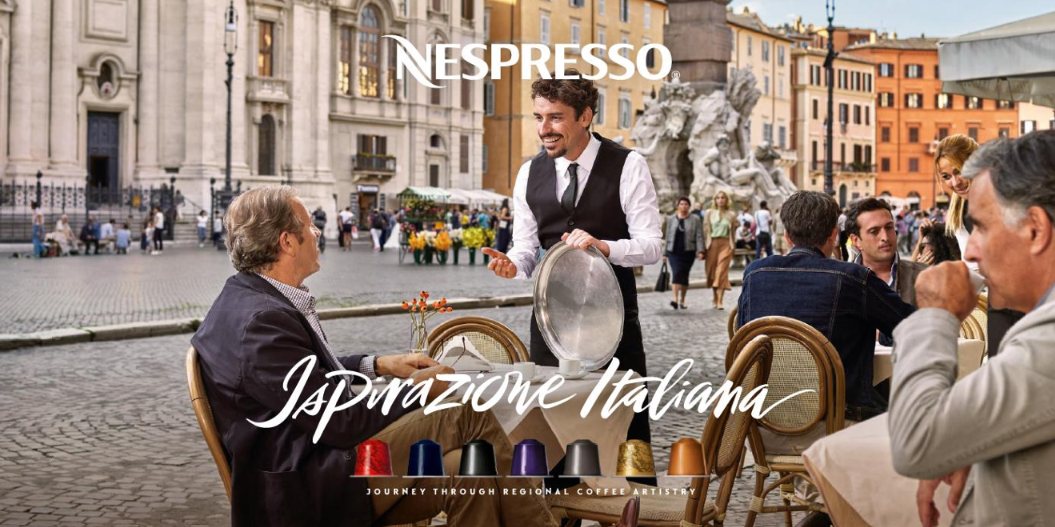
Changed the format. With Instant Experience, people could explore the city stories inside Facebook and Instagram before visiting the site. Fewer clicked through. The ones who did stayed far longer.
We didn’t optimize for traffic alone. We optimized for the coffee experience.
The campaign targeted people new to Nespresso and existing Club members who could be drawn into exploring more products. Facebook and Instagram were first set up for traffic, and CTR came in below expectations. On March 3, I changed the objective to video views. Twenty-second completion reached 2% on Facebook and 4% on Instagram, against a platform benchmark of about 1.5%. Kakao banners supplied extra traffic where clicks were still needed. Meanwhile, home coffee was growing and Nespresso search volume rose 78% year over year.
Same creativeOnly the ad format and the path to the site changed between before and after.
Completion rateShare of viewers who watched 20 seconds. Feed users often scroll past immediately, so it runs far below SMR’s view-through rate. The two aren’t comparable.
Reading the trafficHome coffee demand rose across the market in 2020, so not all traffic growth came from paid media.
InvestmentThe client’s decision, made as digital proved its value.
The same yardstick cannot measure every campaign. A film made to carry a brand story should be judged by how well it landed, not by how many clicks it produced, and a promotion built to drive purchase should be judged by whether it led to action. What matters is not checking the familiar metrics again, but defining success against the change the campaign set out to make.

Chapter Three
What’s the difference between targeting an audience and designing around their day?
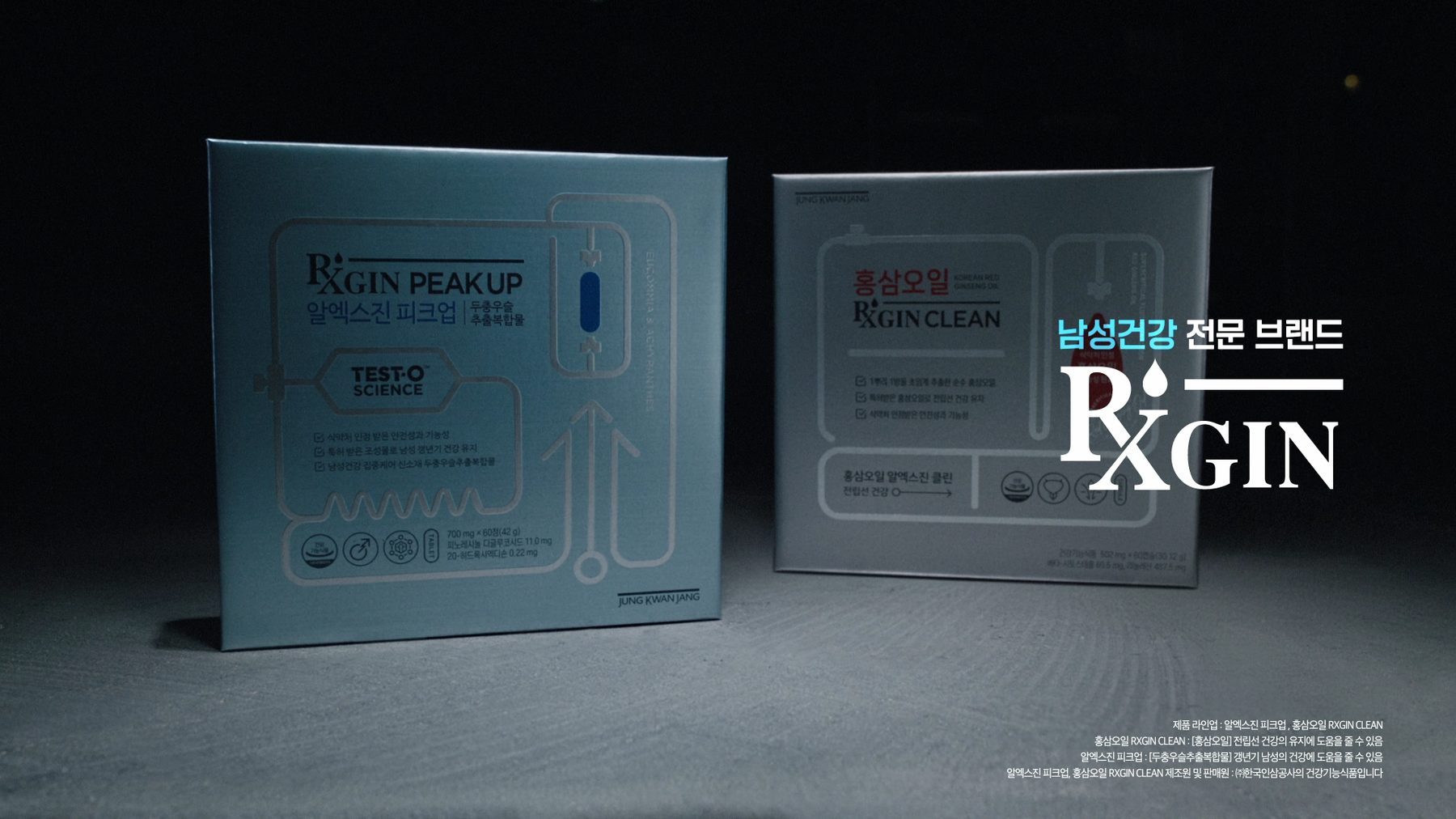
Peak Up was entering a market where most men didn’t know that testosterone declines with age. The gap was awareness, not interest, so few saw a need for the product. In Korea, health-supplement ads must pass a pre-review before they run, which limits how directly a product can describe its benefits. It had to become the name men connect with the category.
My roleCampaign Lead: strategy, segmentation, media mix, content partnership, and in-flight digital reallocation.
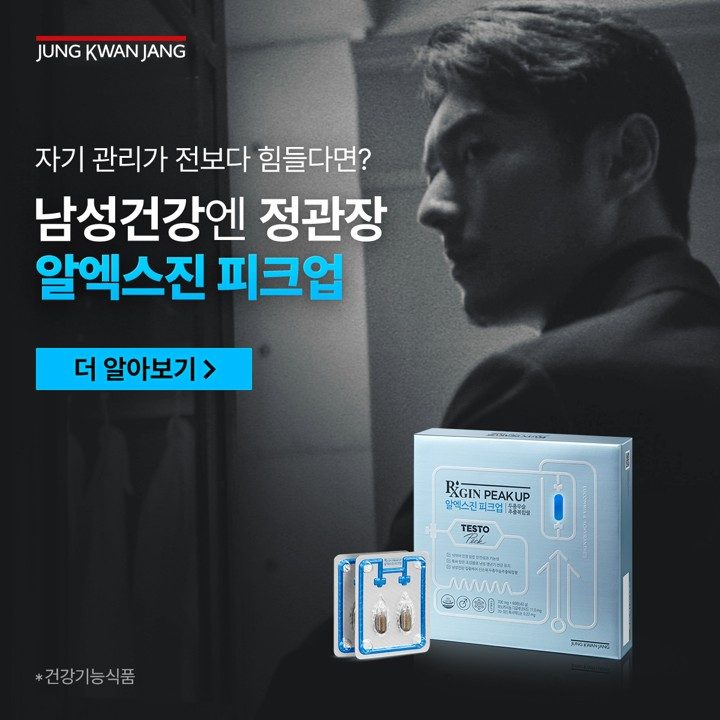
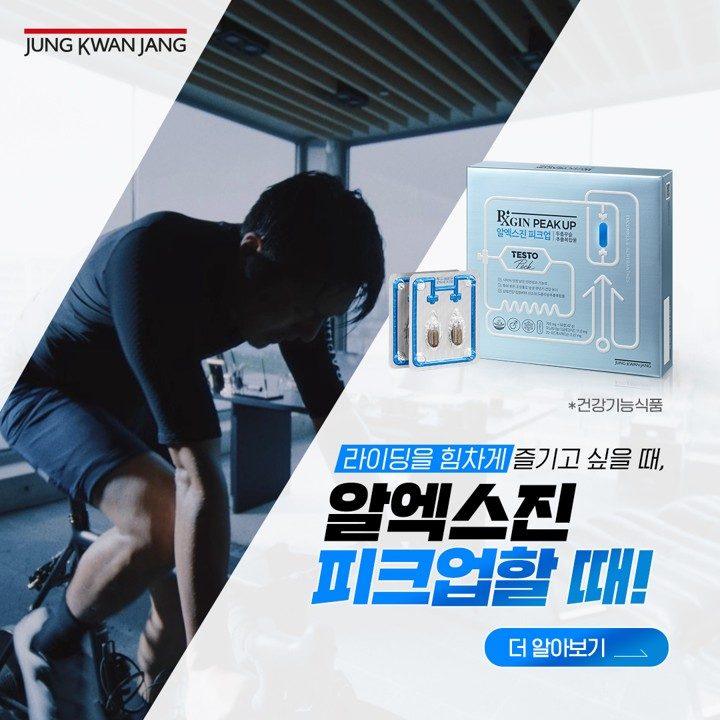
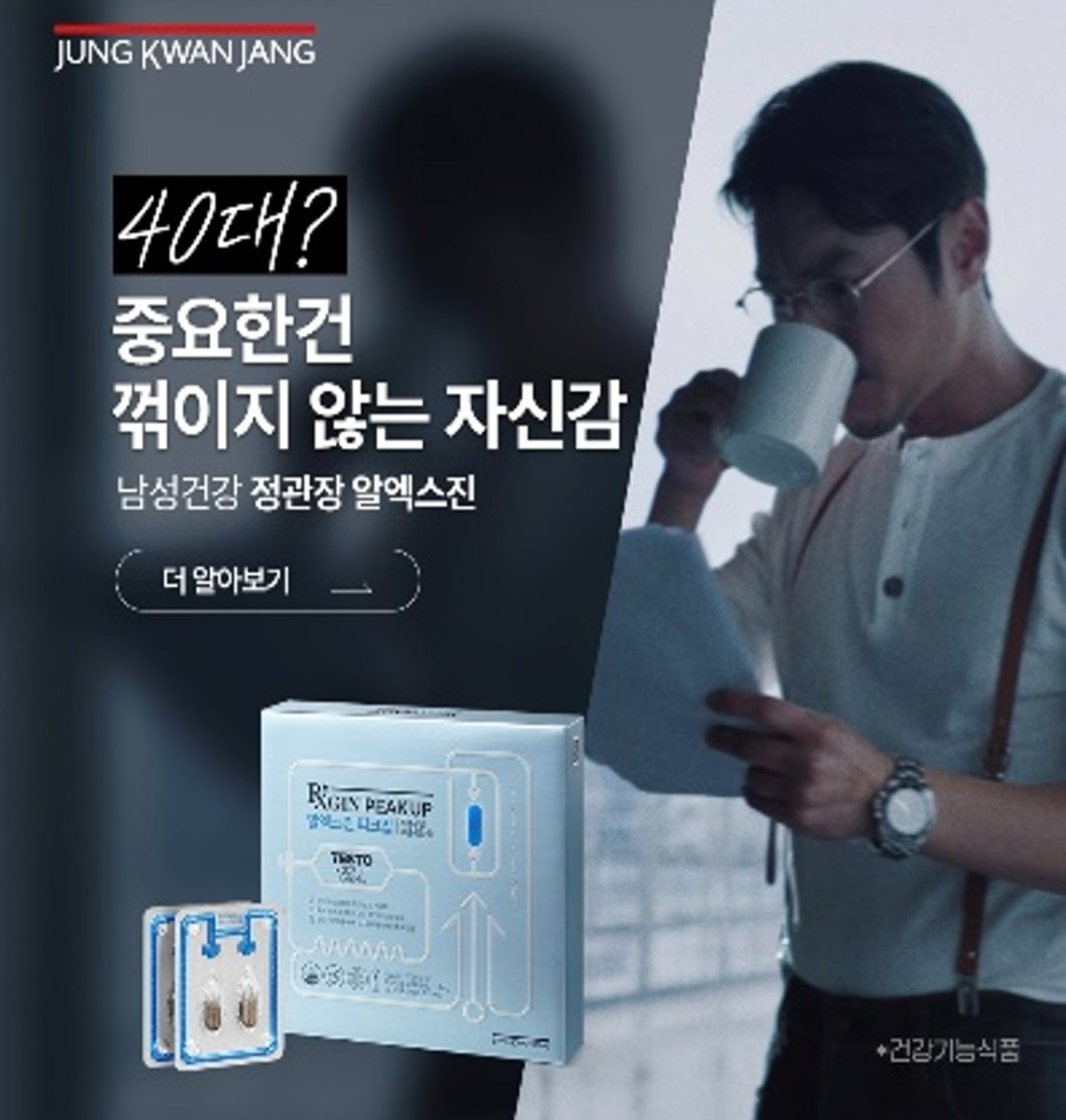
Three tiers, by awareness of the problem. MASS men felt they weren’t what they used to be, in daily life and in exercise, and put it down to tiredness or age. MASS-CORE men suspected falling testosterone and were searching for products, but similar ingredients and wildly different prices left them confused. CORE men, mostly high-intensity exercisers, had already tried boosters and kept looking for something better.
A different appeal for each. I managed the digital banner copy tier by tier. For men who hadn’t named the problem, the copy started from a moment they would recognize (“If self-care feels harder than it used to”). For men comparing products, it led with proof: the patented ingredient and the clinical-trial result. For CORE, it tied Peak Up to their sport, from riding to weight training. Every line cleared advertising review before it ran.
A name you do. “Peak Up” was treated as an action, linking recognition, benefit, and behavior.
Why tiersA man who hasn’t named the problem first needs to recognize it. A man comparing products needs proof. A man who already trains needs a reason to switch. One message can’t do all three.
Age and gender told us who. Their daily routine told us when and where they’d be open to the message. Each medium was matched to a moment.
Addressable IPTV reached men who watched health-supplement and food home-shopping channels, or who showed interest in health, fitness, outdoor activities, and golf. TV ran on drama-heavy channels for impact and on sports channels for efficiency, and a window on GS Home Shopping, a major TV shopping channel, added extra placements during broadcast hours.
Existing ads in the category leaned on fire and images of middle-aged male strength. This campaign used one line, voiced by a woman:
그 남자, 잘해
“That man? He’s good at it.” In Korean the line works on two levels. On screen, the man excels at work, exercise, and everyday life. The line also hints at male vitality, which the category can’t claim directly. It passed advertising review.

The ideal face was taken. Former national football star Ahn Jung-hwan was under contract with a competing men’s health brand. Instead of an endorsement, I set up a content partnership with his YouTube channel, where other guests handled product mentions.
The prize became the content. Buyers could win a one-point coaching session with former national players, and the session itself became YouTube content: 7.59 million views in 19 days, with no paid promotion.
I agreed the content direction with the channel and co-wrote the storylines. The second round (Oct 17 – Nov 4, 2024) featured Ahn Jung-hwan and fellow former national player Kim Nam-il coaching, then a futsal match between a Jung Kwan Jang team and a team of buyers, released as two main episodes and 14 Shorts. It drew 7,593,925 views and 755 comments without any paid promotion.
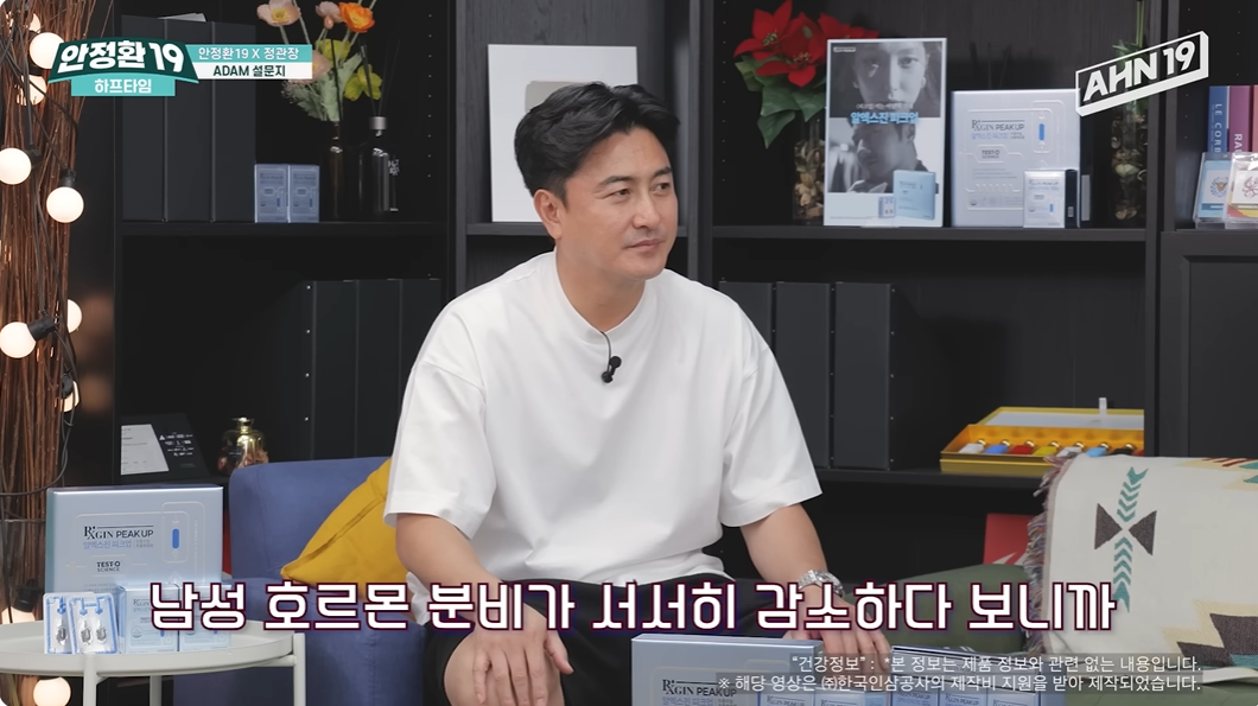
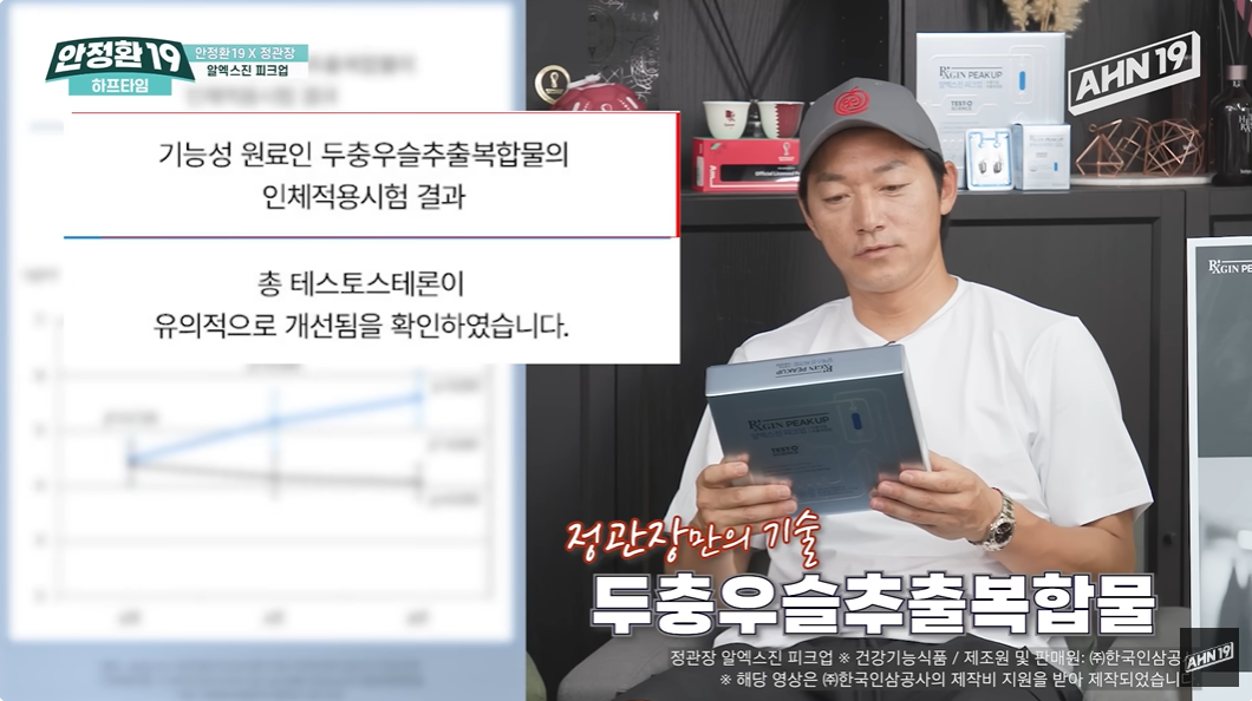
ViewsAll organic. Most came from the 14 Shorts; the top Short reached 4.13M.
Channel analysis showed Meta was strongest for traffic and Naver GFA (the display network of Naver, Korea’s largest portal) strongest for purchases on the brand’s own store. From September, I moved budget away from weaker channels such as Kakao Bizboard (banner ads inside the KakaoTalk messenger) and toward those two. Cost per tracked purchase fell 73% and ROAS rose from 0.15x to 0.62x.
Project-wideTV, radio and IPTV buying was handled by the media buying team; these delivery figures belong to the whole campaign.
An audience is not explained by gender and age alone. Among men of the same age, what each needed to hear depended on how far they recognized the problem they were living with. I carried that difference beyond the message and into the media plan, down to the places and moments they passed through in a day. Integrated media strategy, to me, is not sorting people into groups but designing how they meet the brand inside their actual lives.

Chapter One
What makes a campaign feel like it belongs to a fandom?
The game was launching worldwide the same day, in roughly 170 markets — everywhere the App Store and Google Play serve, apart from China and Vietnam. The marketing budget, roughly a fifth of a typical global game launch, went to 10 key markets. The audience was women in their teens and twenties: core and casual BLACKPINK fans, plus people drawn to K-pop and Korean culture. Attention and early users had to come from something other than spend.
My roleProject Lead: strategy, concept, media planning and buying, execution. I directed external partners, media vendors, and our creative teams, and coordinated approvals with the IP rights holders.
BLACKPINK fans light up at any new side of the group, but there was never enough content to meet that appetite. Fan communities were full of posts about the drought, and fans rewatched the same videos again and again, sure they had already seen everything. So “new content” alone was not enough of a hook. The promise had to be something even devoted fans hadn’t seen. That became the concept I proposed: BLACKPINK’s Secret Episode. Each episode was a video of the members in a theme fans had never seen them in, and every theme carried straight into the game: the same looks became photo cards players collect. Curiosity about the content turned into anticipation for the game.
Until the game content itself was shown, the teasers carried only the abbreviation BPTG to keep people guessing, and the word “Presents” signalled that the content could be found nowhere else.
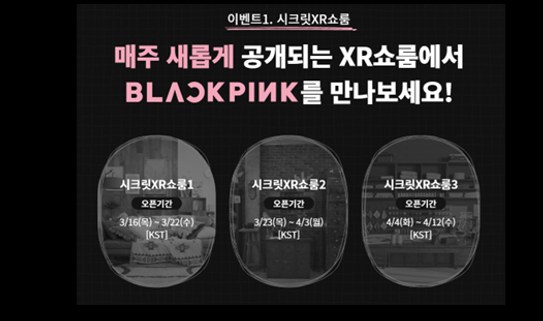
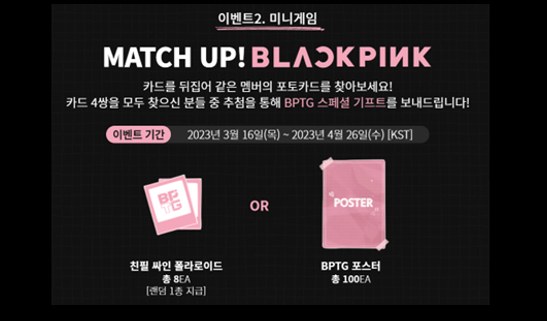
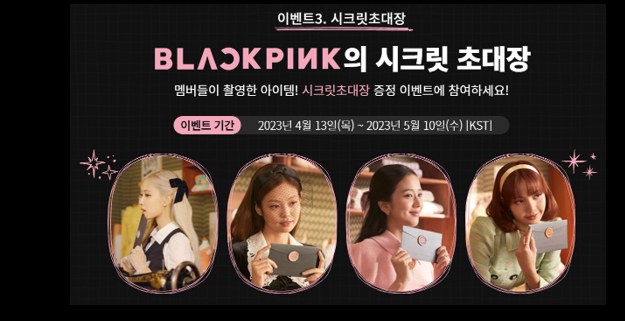
Pre-registration events kept the attention from cooling. Months sat between the teaser and the launch, long enough for interest gathered at the concerts to scatter. So alongside the episode films I ran three events in sequence, releasing a little more about the game each time. The XR showroom, “BLACKPINK’s Secret Room,” opened a new themed room each week on the game’s site, so fans anywhere could watch the assets appear one by one; a mini game had players match photo cards; and a secret invitation came with items the members had filmed themselves. The point was to acquire users with content, not only with paid digital media.
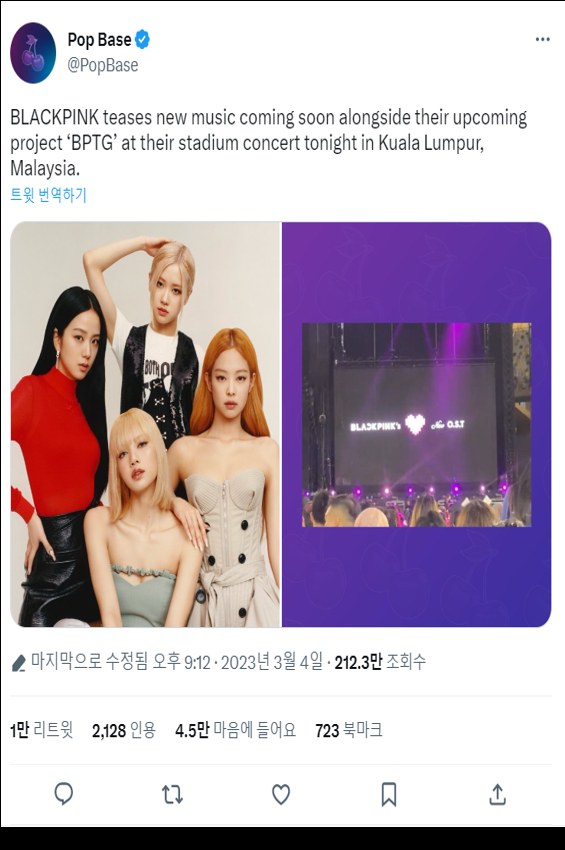
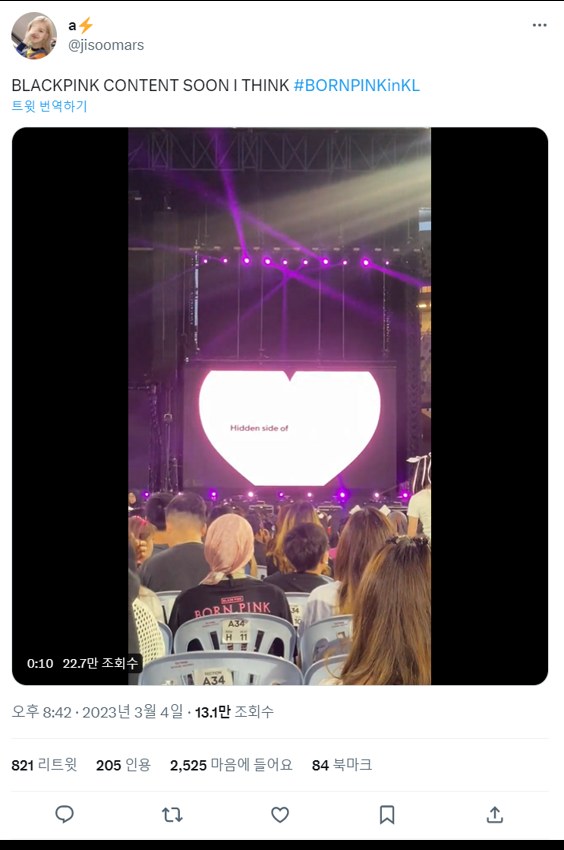
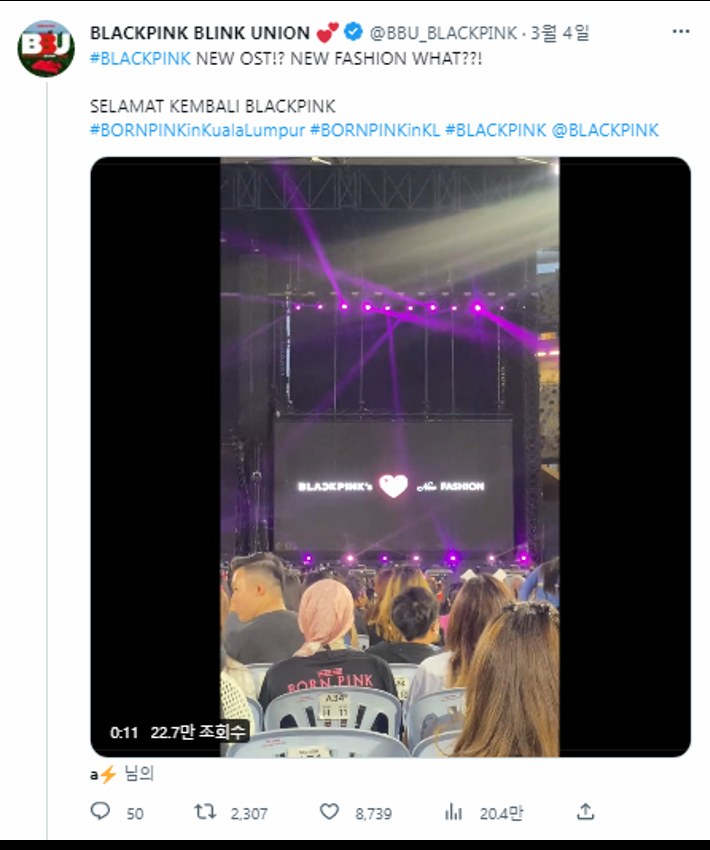
The teaser played at BLACKPINK’s world-tour concert venues, in front of an audience already there for them. It never said a game was coming. It promised new BLACKPINK content, a new song, new photos, new dance, new fashion, and signed off with the initials BPTG, holding back the name BLACKPINK THE GAME. Each of those was in fact a feature of the game. Fans filmed the screen and posted it that night, guessing at what was coming.
My addition was the QR code inside it. The members were on a world tour, so approvals for ad creative ran late and the teaser could show little. The QR code was the device that turned that interest into a visit to the official channels even while the imagery was still unapproved. Fans curious in the venue scanned it on the spot and landed on the game’s official social channels, which let us build an owned audience before any paid digital media ran.
Concert-venue OOHProvided with YG’s support, so it carried no media cost.
The game launched in roughly 170 markets; paid marketing focused on 10 of them. One team ran all of them, localized by language, platform, and audience. Creative was A/B tested in each market, and budget and targeting were set market by market according to ad performance. I operated Meta Ads Manager and Google Ads directly, ran app-install campaigns on Google App Campaigns, Apple Search Ads, and Meta, and after launch compared cost per install by market to move budget daily.
Digital · 10 key markets
OOH · 5 markets
Hands-onMeta and Google Ads were operated directly. App installs were measured through an MMP.
Project-wideApp Store rankings and downloads belong to the whole project, not to my work alone.
The grammar of game marketing says tell people the game is fun, right away. But the audience here wasn’t gamers, it was fans, and fans are fluent in the comeback tease. Hide something and they guess; release a piece and they assemble it; then they carry it to each other. So the campaign spoke in the audience’s grammar rather than the category’s: hold the name back, open one piece at a time, and turn curiosity into sustained attention, then that attention into the next action.
Chapter Two
Does every brand challenge need an advertising solution?
A securities firm can feel distant and transactional. As COVID-19 dragged on, this campaign’s goal was not to promote a product but to connect with people emotionally.
We encouraged a group of people sharing the same hardship, not one person. Small business owners in crisis, job seekers stuck in repeat internships and unable to cross the hiring threshold, students whose university years passed without a campus, farmers facing the effects of climate change. For each round we chose the group that most needed encouragement in the social moment, researched the difficulties they were actually living through, and built the campaign from their stories.
The music-drama format was set in the first round, which the client led. From the second round, as I took on the series, I added a documentary tone so the empathy would not feel forced. The artists’ music carried the emotion, and each story started from the reality the group was living in.
I set the strategy and story direction for each round and oversaw everything from production to air. I also managed media buying and distribution across YouTube and social channels.
PurposeBuild connection.
My roleCampaign strategy, content planning, and media buying.
Does the place you run an ad have to be the place you are persuading? On October 1, 2022, Shinhan Financial Investment became Shinhan Securities and wanted to mark the start as Korea’s most distinguished investment house. The people to persuade were not overseas investors but domestic ones. New York, London, Hong Kong, and Tokyo were not markets to win customers in; they were the stage for showing Korean consumers the brand’s new standing and ambition. Rather than treat the billboards as local exposure, I used them as content: proof of the brand’s presence in the world’s financial capitals, delivered back home.
So rather than buying a long run in Times Square, I concentrated on securing the shot. Instead of a long flight, I bought the five minutes it took to film what a recap video and a press release would need. Once the purpose of running the ad was redefined, the inventory and the way we bought it changed with it.
First I secured the sites in five cities. I led global OOH planning and buying across New York, London, Hong Kong, Tokyo, and Seoul. I secured inventory from vendors in each market and proposed placement combinations weighing iconic value against budget, then coordinated creative and scheduling between local vendors and our in-house creative team.
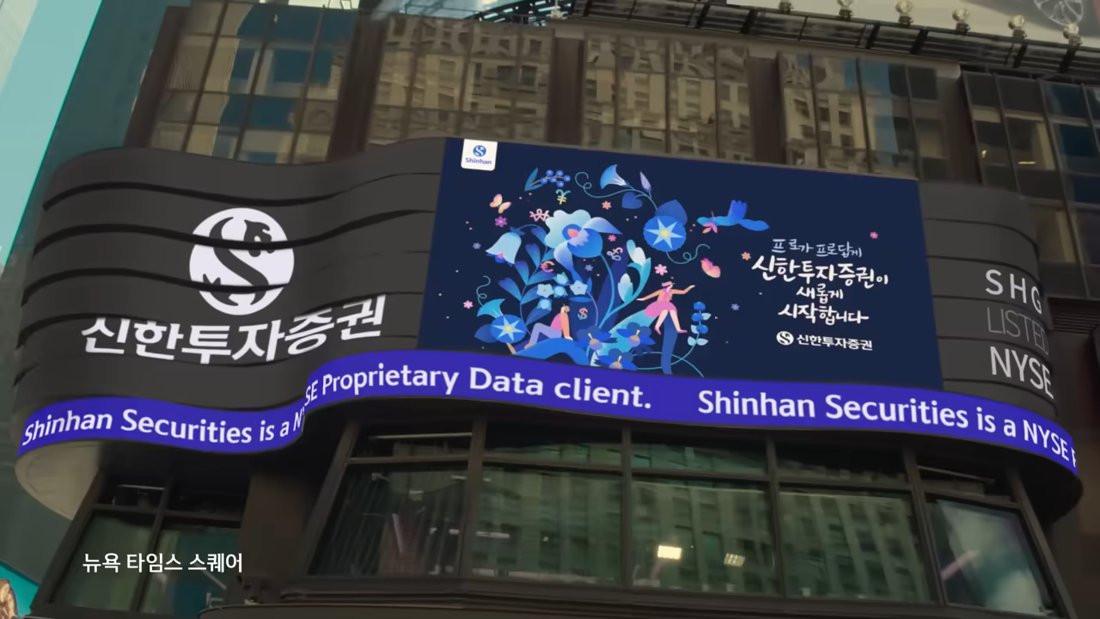
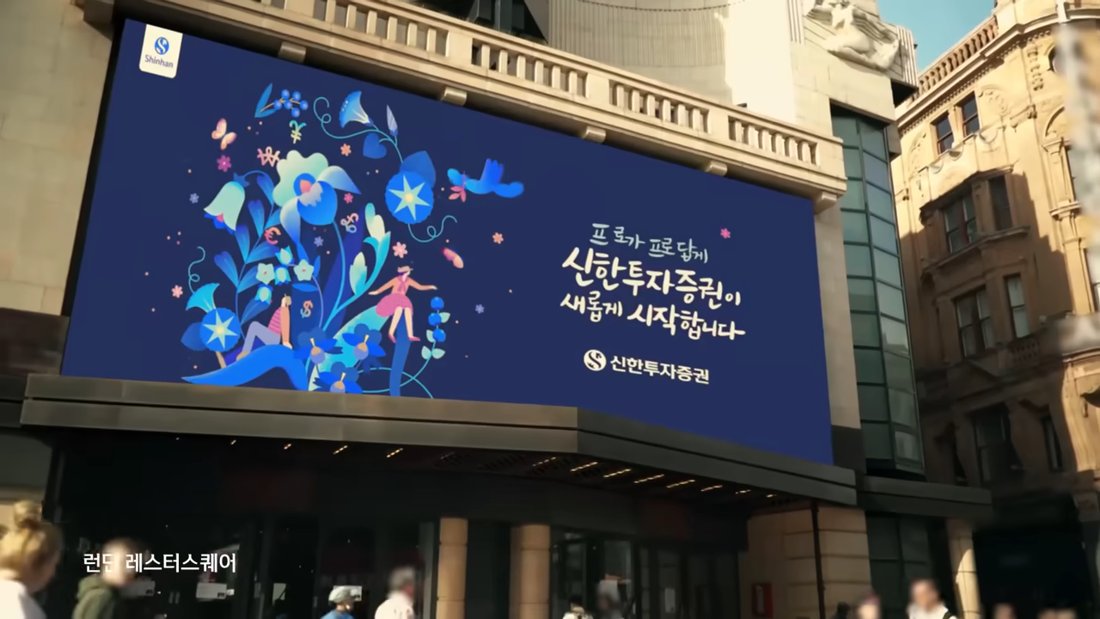
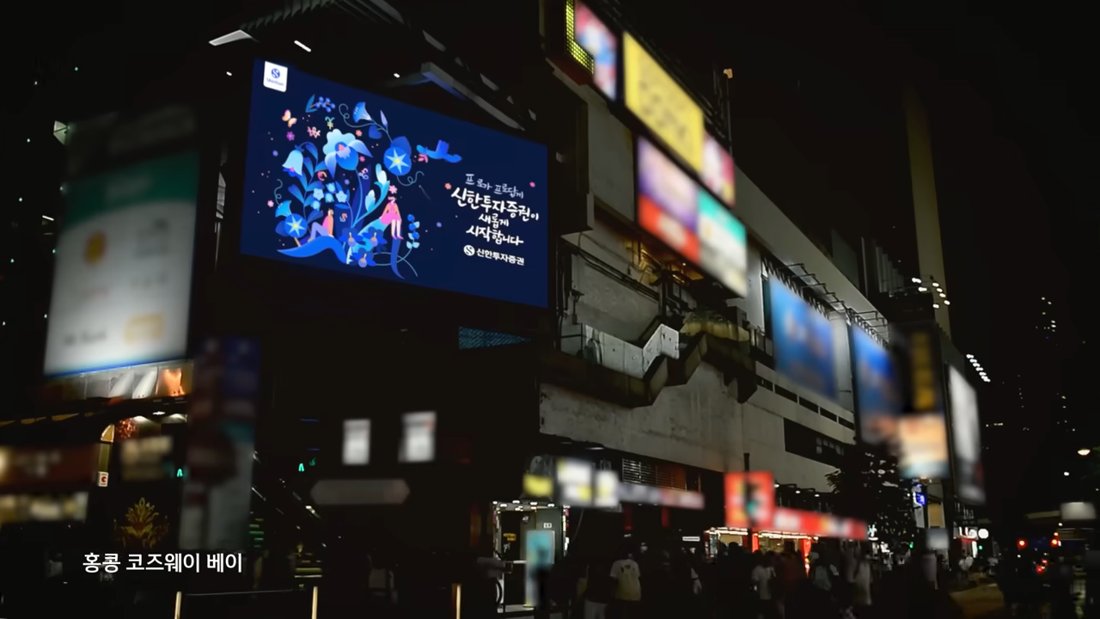
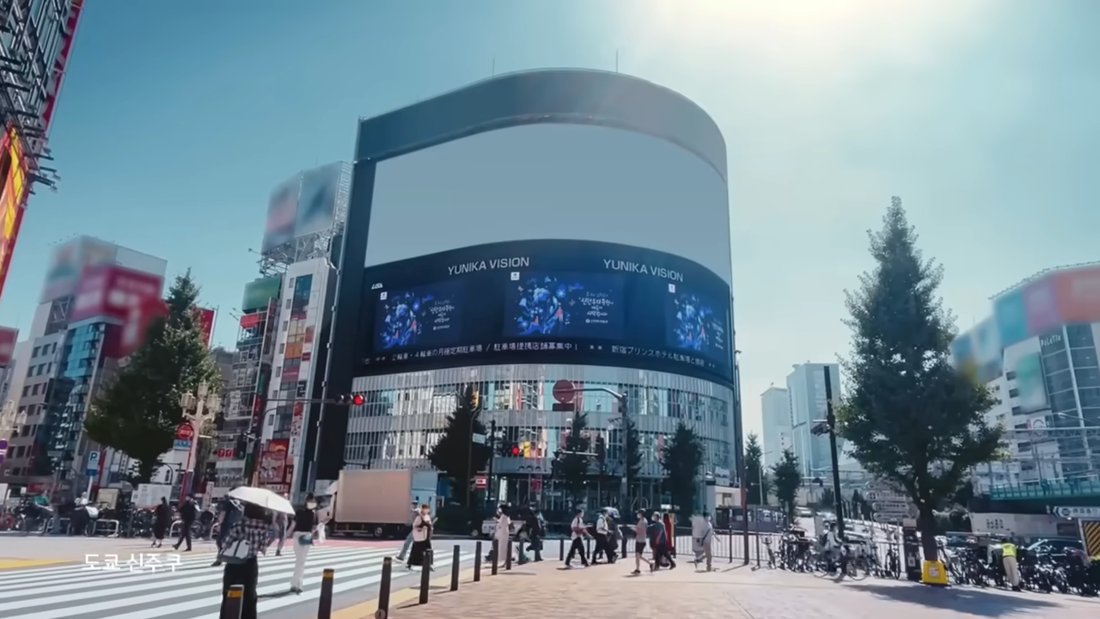
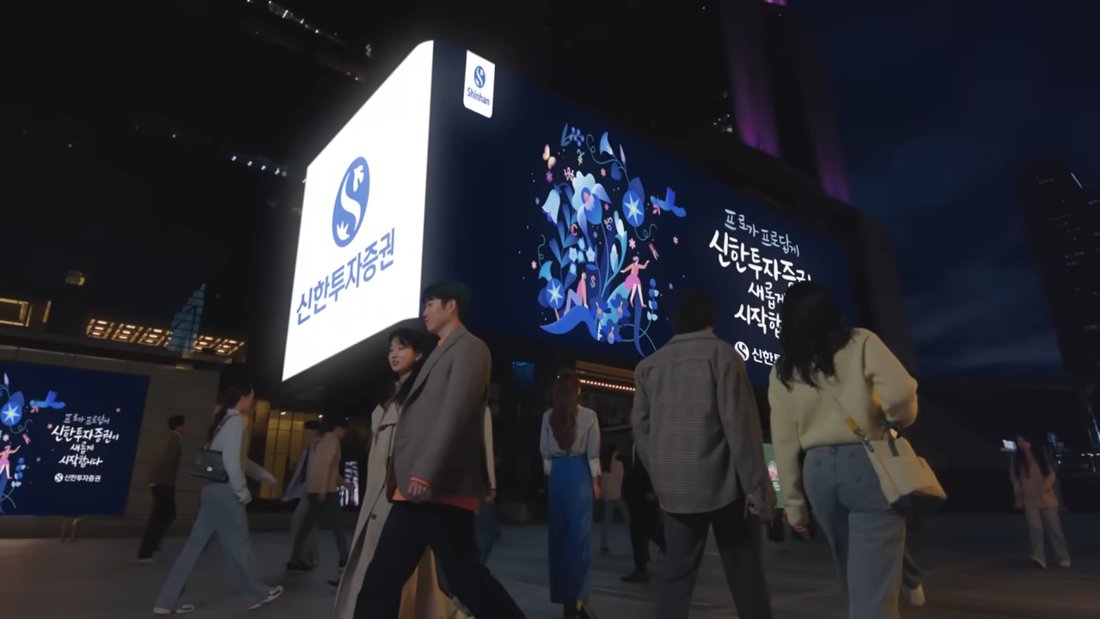
At home I designed the plan around two roles: reach and symbolism. A name change had to reach as many investors as possible, and the ambition of being Korea’s most distinguished investment house had to be delivered where the brand’s standing could be seen.
550 buses, about 150 hypermarket branches, and some 50 subway stations secured everyday reach and repeated contact. At the same time, large screens at Gangnam-daero, Yeongdong-daero, Gwanghwamun, Yeouido, and Hongdae raised the brand’s presence. At Gangnam Station in particular, 18 pillars and 36 faces ran the same creative at once, turning a whole street into a single brand message.
Yeouido, Gwanghwamun, and Euljiro each got several placements, and transit points such as airports and KTX (high-speed rail) stations were connected with places people linger, such as malls and hypermarkets. The aim was less the exposure of any one medium than an environment where people met the new name at several moments in a day.
550 buses · ~150 hypermarket branches · ~50 subway stations
Repeated exposure to the new name in everyday routes and spaces
Gangnam-daero · Yeongdong-daero · Gwanghwamun · Yeouido · Hongdae
Large screens and multi-screen clusters made the brand’s standing visible
Yeouido · Gwanghwamun · Euljiro
Several placements inside the financial districts reinforced the new name
Airports · KTX · subway · malls · hypermarkets
Both moving through and lingering became brand touchpoints
The last stage was sending those scenes back home. The recap film put the out-of-home from all five cities and the domestic placements into a single edit, and we ran it on YouTube with paid support. It reached 31.59 million views, 280% of the target. Placements scattered across cities and formats read as one piece of scale, and a buy that would otherwise have ended as local exposure became the most widely seen content of the campaign at home.
PurposeAnnounce a new name.
My roleOOH planning in Korea and abroad; global OOH buying.
This campaign was about winning first-time account holders and customers who had stopped trading overseas stocks. It ran across YouTube, Naver GFA (Naver’s display ad network), Google App Campaigns, and transit OOH in Seoul.
We did not aim at conversion from the start. To find prospects who had not yet responded, August went wide, and the conversion data that accumulated there was used to redesign September’s targeting and media operation.
CPA compares a YouTube campaign built for awareness with one built for conversion. A conversion was a click on the event-page button, not a completed account opening.
August · Explore — reach wide first. Reach formats and broad age targeting opened contact with prospects. The point was not immediate conversion efficiency but a retargeting pool we could come back to. The high CPA at this stage was expected, given the job the stage had to do.
The data · What it showed — where did the response actually come from? 90% of August’s conversions came from interest-based and retargeting audiences. Conversions concentrated in the narrower segments built from interest categories and from people the campaign had already touched, not across the broad age targeting. I treated that not as a performance metric to report but as the basis for changing the next month’s budget and media strategy.
September · Redesign — concentrate on the segments that converted. 74% of the budget moved to those audiences, and the ad formats changed to match a conversion objective, shifting weight from non-skippable ads to Video Action Campaigns. Where August was about widening reach, September was about prompting the next action from people the campaign had already reached.
As a result, YouTube cost per conversion fell 87% from the awareness stage to the conversion stage, and the click-to-conversion rate improved from 1.4% to 5.2%.
PurposeBring in new investors.
My roleAug – Sep 2022. Media strategy and execution orders; platform setup by the media operations team.
Not every brand problem can be solved by buying more exposure. Building a relationship with people called for a story; showing a new standing called for a symbolic stage; prompting action called for a media strategy grounded in data. Define the problem to be solved first, and the tool you reach for changes with it.

Chapter Six
Customers were already looking for answers. Was the brand listening?
People buying a car do not decide as soon as they have seen the advertising. They look up real owners’ experience, compare rival models, and check the problems they might run into and what it will cost to run. That information was moving busily through online communities, not only through the brand’s own channels.
In the netizen relations work I held at the time, I monitored more than ten automotive communities every day and collected positive and negative opinion model by model. I looked past the volume of posts to the questions that kept appearing and to what mattered to drivers who were close to buying.
The VOC I collected was written up as analysis reports. From those I chose the subjects worth turning into content and carried them through planning, reporting, writing and publishing. Reading the reactions sometimes surfaced a product strength the brand should emphasise, or information that still needed explaining.
I did not stop at turning what customers said into content. I made it the basis for deciding what the brand should say and do next.
Transparency. All community activity ran with the administrators’ permission, under an account that disclosed the agency. Using the same account over a long period meant members could see who was taking part and why.
What NR is“Netizen relations”: Korean agency work that takes part in online communities on a brand’s behalf, under an account that discloses the agency.
My roleVOC collection and analysis reporting, running netizen relations, content planning, reporting, writing and publishing, and reaction analysis.
What I collected in the communities was used to understand where customer interest and worry sat, and to propose what the brand’s communication needed to cover.
Before a launch I looked at what people expected and feared about the rival model. Ahead of the new Malibu I tracked 605 posts about the Malibu and 4,546 about the Renault Samsung SM6 across 11 communities, between 12 February and 25 March 2016.
What I paid attention to was not the number of posts but which parts people were curious or uneasy about. I analysed the concerns that kept appearing — transmission, power, design — and reported them to the Chevrolet Korea team every week. That gave the launch concrete clues about what customers needed to be told.
In the positive reactions I found the strengths the brand should emphasise. When the Impala’s specs were released, customers rated it well that the Korean model offered more options at a lower price than the US model. On that reaction our team proposed “a value leader in the large-sedan market” as the message, and I carried it into content on insurance ratings, running costs and the other things a buyer weighs.
The centre of the content was not events or promotions but information that helps a real buying decision. In 2015, 90% of what we produced was practical vehicle information — specifications, how to look after the car, comparisons with rival models: the things drivers need day to day.
At launch time the content was prepared in stages that followed how customers search for information.
After launch especially, content I reported and wrote on site carried the concrete vehicle detail that an advertising message cannot.
In 2015 I produced 954 original pieces for 10 target communities and distributed them as 2,544 posts. From January to August 2016 the figures were 354 pieces and 930 posts.
Publishing was not where the work ended. An internally developed sentiment index measured the reaction. Which subjects drew interest, and which questions were left over, fed the next content plan.
Monitoring the communities continuously also served to catch and answer brand issues. When factory photographs and spec comparisons leaked online before the All-New Malibu launch, I found about 100 related posts and requested their removal. When unreleased Next Spark images spread in February 2015, I tracked them across communities and blogs and coordinated removal.
I also proposed putting the accumulated content to work elsewhere. By 2017 about 1,800 pieces had built up. I proposed developing them into a “Chevrolet Archive” that dealer staff could use when dealing with customers.
A separate campaign
How do you turn a global sponsorship into something Korean football fans care about?
Chevrolet wanted its global Manchester United sponsorship to create a point of contact with football fans in Korea. The 2016 FC Festival ran as an amateur futsal tournament, cinema watch parties, and a visit to Old Trafford for the winning team.
I was responsible for the netizen relations communication and the content made for each stage of the event. I did not recruit the teams myself, but at the recruiting stage I wrote and distributed the viral content that told football fans about the event and drew their interest. After that I covered the events on site and produced the UK trip write-up.
I went to football fans outside Chevrolet’s own owner communities. The owner communities alone could not reach people interested in futsal and football. I found four more football communities — Lesamo, Daehanminguk FC, Naver’s Football Love café, the Ppomppu football forum — and contacted the administrators directly for permission to post. Campaign content went out across 13 communities in all: the nine existing ones and the four new ones.
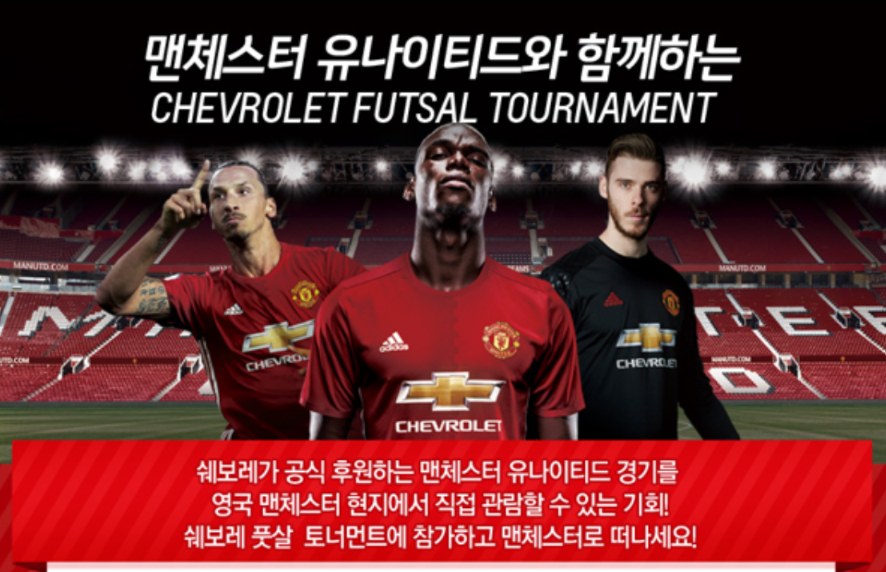
I turned the run of the event into content fans could read. At the recruiting stage I wrote the viral content announcing the futsal tournament. I then covered the futsal final in Daejeon and the cinema watch party in Yeouido in person. Finally I travelled with the winning team to Manchester and wrote up the Old Trafford VIP tour and the match. The UK trip write-up was mine, and the images and material I gathered on site were supplied for GM Korea’s official Facebook and Talk Blog content.
Scope of the work. 9 NR pieces distributed across 13 communities.
My roleSetting the NR communication timeline, finding football communities and agreeing terms with their administrators, writing and distributing the recruitment viral content, field coverage, writing the UK trip, and supplying images and material.
Collecting what customers say in communities does not on its own change how a brand communicates. The recurring questions and worries have to be analysed, the strength the brand needs to explain has to be found inside them, and that has to be carried into real messages and real content.
On Chevrolet I built the experience of analysing the customer reaction that accumulated every day and using it for content planning, for proposing brand messages, and for responding to issues. Customer voice was the ground on which the brand decided what it had to say.
Chapter Five
Where do you meet a potential player, and what makes them play for the first time?
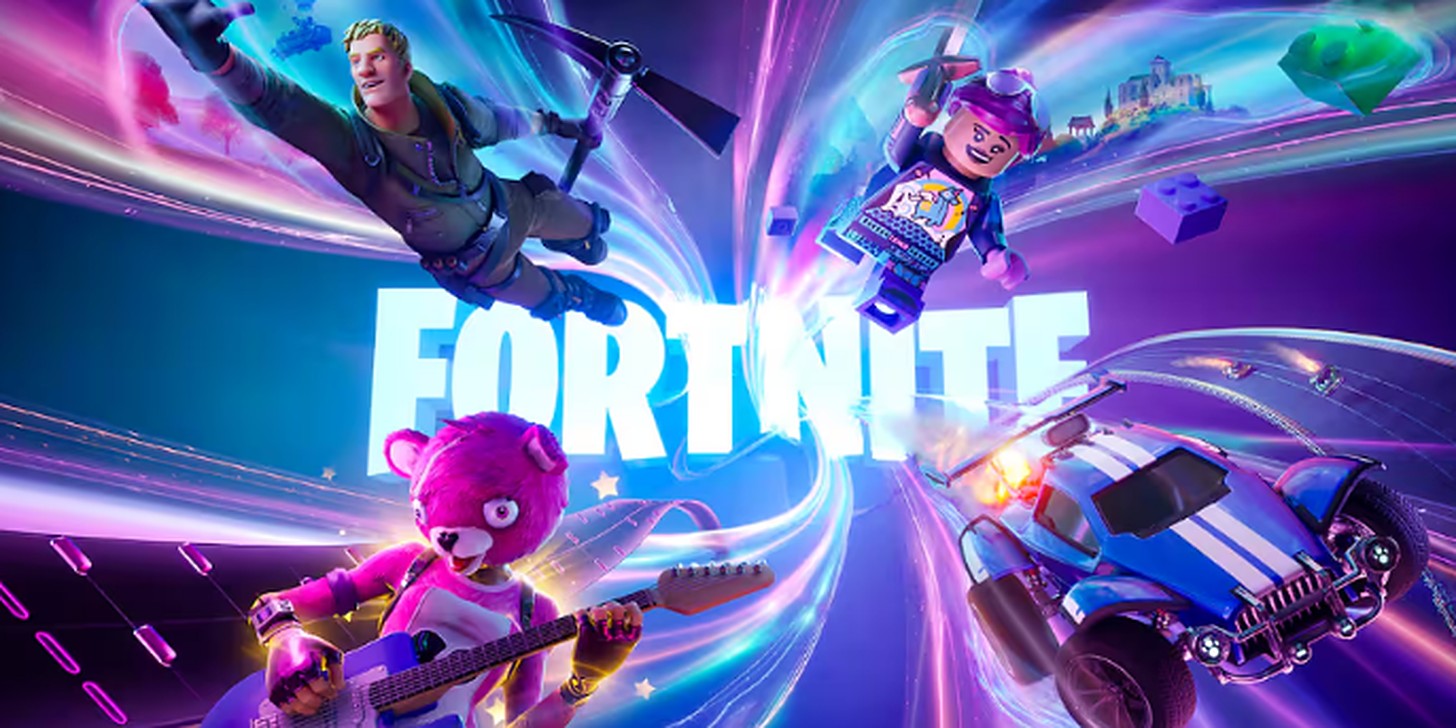
Before the real campaign began, the thing to establish was which people in Korea could take to Fortnite as a new kind of game experience.
The core target was teenagers aged 12 to 16. The main purpose was to find potential players whose preference for one particular game had not yet set, and to see how they actually played and reacted. With the summer holiday on, a second purpose ran alongside it: giving existing players a chance to play with friends.
What mattered was not simply finding places where a lot of teenagers gather. We had to build a touchpoint the target could actually reach, and where they could play the game on the spot.
PC cafés. In Korea a PC bang is a paid gaming space with gaming computers and a set-up to play on. It is where teenagers and young adults go to play together with friends.
We selected 12 cafés, concentrated near schools and cram-school districts, middle and high schools, and dense residential areas. Spreading the touchpoints across several neighbourhoods meant we were not relying on one commercial district to meet potential players.
Each venue had a Fortnite zone, with field staff guiding people through the game. The PC café was not an event venue but an offline channel where a potential player could experience the game and have their reaction recorded.
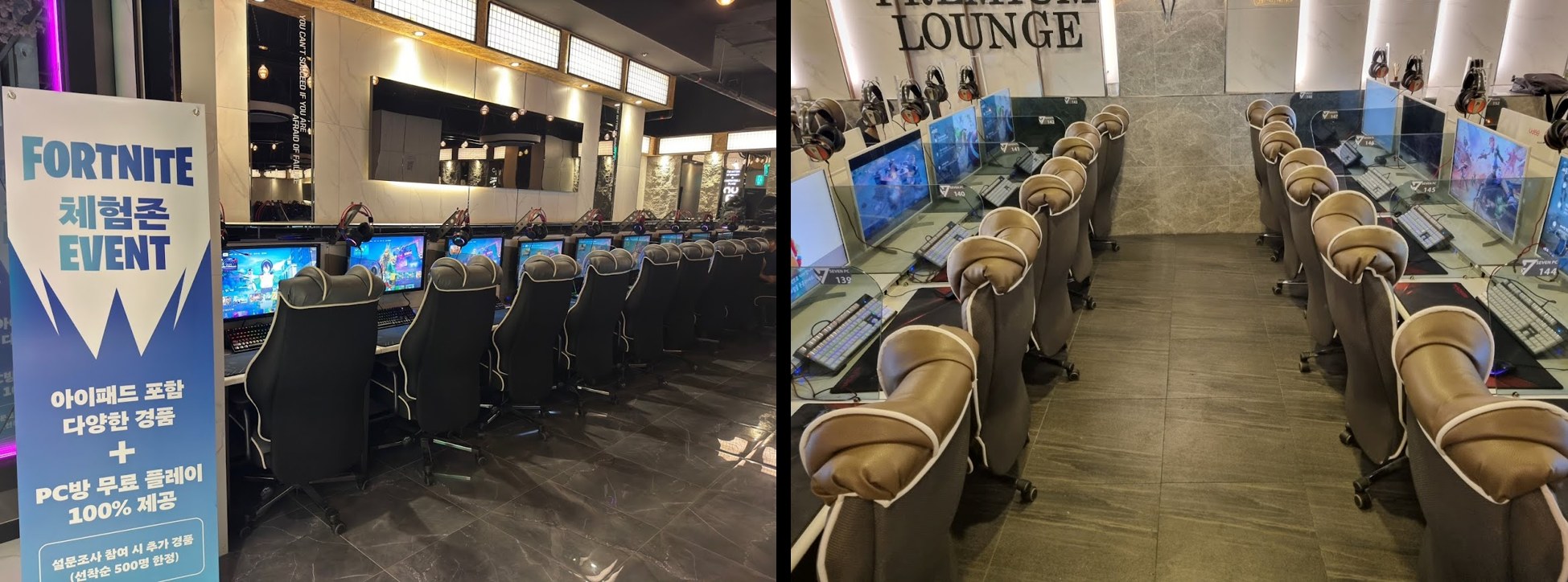
My roleProject Lead: strategy, media planning, field execution, and analysis.
Installing the zones was not enough on its own. Local promotion was designed alongside them, so potential players would know the event existed and come to the café.
Repeated local exposure, with the venue named. Thirty banners went up around the participating cafés and at high-footfall spots nearby. Each banner carried the name of that café and a QR code, so the venue and how to take part could be checked on the spot.
7,500 flyers were distributed in three rounds. The first rounds covered the area around each zone and the cram-school districts; for the last round the distribution shifted to the main cram-school clusters to reach more potential players.
Advance notice through the existing fan community. Members of the official Fortnite café got advance notice and a verification event. It told people who already knew the game that the event was on, and prompted them to come and play with friends.
On site, a programme for posting gameplay screens and the event itself to social media encouraged participants to share content of their own.
The 12 venues ran over the same period, but neither the locations nor the operating hours were fixed. I checked participation per venue every day and closed or replaced the ones where turnout was poor.
Venues where new PC cafés had opened nearby and split the visitors, and venues whose occupancy dropped once the holiday ended, drew little. Newly added venues, by contrast, drew steadily.
Two venues were therefore moved elsewhere. Yongin and Incheon, which were service locations, added evening and weekend hours to widen the chance to take part. The daily pattern also showed relatively high participation on Thursdays, Fridays and public holidays, which became the basis for adjusting the schedule and the staffing.
I also compared the efficiency of each channel. In the survey, the largest share came through friends, acquaintances and family (29%), with the café itself accounting for another 25%. Among the local promotion, banners brought 19% of participants against 6% for flyers.
The cost of winning a participant differed too. Per participant, a banner came to about a quarter of what a flyer cost. A banner, which keeps telling the neighbourhood for weeks, was the more cost-efficient touchpoint.
Banners and flyers alone were limited in how far they could spread, though. The final report recommended running geo-targeted digital advertising alongside them in the follow-up campaign.
Daily participation averaged 64 in week one, 79 in week two and 117 in week three. Several changes were made over that period — replacing weak venues, extending evening and weekend hours, adding prizes — so rather than attributing the rise to any single measure, I read it as the result of improving the operation from field data.
1,301 people took part in the PC-café zones in total. 817 of them answered the survey afterwards.
The important finding was that a large share of participants had not played Fortnite before.
In other words, 73% of survey respondents had never played Fortnite before. The session worked not only as repeat play for existing users but as a touchpoint where new potential players experienced the game.
331 of the survey respondents were aged 12 to 16 — 41% of the total. They were not a non-gaming group meeting games for the first time: 72% of that age band were playing Valorant and 51% PUBG.
They had already played other shooters, but their reaction to Fortnite was positive. 74% of the 12–16 respondents said they were “very satisfied” with Fortnite, and on whether they would play it again, 65% answered “definitely” and 25% “yes”.
What drew the positive reaction was what is particular to Fortnite — the freedom in how you play, the range of modes and weapons, the skins and the graphics.
What was interesting is that, separately from how much they liked the game, some teenage respondents said they had nobody to play it with.
Rating a game as fun does not carry through to playing it if there is no one around to play with.
So finding new users does not end with getting one person to try the game once. For a teenage target especially, a social touchpoint — somewhere to experience it with friends and keep playing — matters as well.
Counting basis: 1,301 is the number of people who took part in the PC-café zones. Follow-up entries were counted separately — 926 social posts and 817 survey responses, 1,743 in total — and are not added together as unique people, since the same person may appear in both. Willingness to play is a survey answer and does not represent actual retention.
Finding new users is not finished by choosing a target and putting advertising in front of them. You have to let them play the game somewhere they can actually reach, and find out what they are drawn to and what stops them going further.
This project showed that 12–16-year-olds were already playing other shooters and still rated Fortnite’s freedom and variety highly. It also surfaced the barrier: having no friends to play with.
Adjusting venues and promotion from participation by area and the efficiency of each channel also showed that an offline experience can be measured and improved with data.
Finding the target and giving them a reason to actually play are two different problems. A good test shows you both.
Prologue
I read people’s behavior in data, and look for marketing opportunities in the context of everyday life.
Marketing can now read behavior far more precisely than before: when people buy, which content they respond to, where they spend their time. Data shows the traces people leave behind, and in those traces, recurring patterns and new possibilities.
But spotting a pattern is not the same as understanding the context it happens in. The same action can have different reasons behind it, and the same message lands differently depending on who receives it, when, and in what situation.
I look for behavioral clues in the data, then study the context around that behavior. From that understanding, I design the message, content, and media touchpoints that fit the business objective.
A number is where the question starts, not where it ends. What repeats, and where the flow breaks, shows what to look at next. At Chevrolet, the questions drivers kept asking in online communities became the brief for the next piece of content.
The same click can mean different things, and the same message reads differently from one moment to the next. So alongside who the audience is, I ask when, where, and in what situation. For Jung Kwan Jang, I followed the audience’s day and placed media in the commute elevator, the office, and the gym after work.
Understanding only matters once it becomes a design. The objective decides the message, the content, and the media touchpoints, and it is the standard I read results against. At Nespresso, clicks fell while time on site rose from 6 to 94 seconds. I read that as success, because the goal was the coffee story, not the visit.
Appendix
Shorter entries. Where no verified result exists, none is shown.
Launched Edelweiss wheat beer in Korea. I developed the brand tagline and the reason-to-believe content and copy, built the Instagram channel from zero, and coordinated online ads, events, PR, influencers, and blogger seeding. When the edelweiss flower was out of season for a shoot, I found a maker of realistic replicas. All proposals and reports were in English for a native-English-speaking client.
Instagram content that set the packaging in motion so people could imagine each beer’s taste, and recall it when they saw the package in a store.
As major automakers such as Hyundai prepared to enter Korea’s used-car market, K Car needed to strengthen its position as the category leader. The creative team’s “Used-Car Shopping Revolution” concept led the work. I managed the client relationship and execution, proposed and ran the TV and radio plan, coordinated the talent contract with the agency of Yoo Jae-suk, one of Korea’s best-known TV hosts, managed the creative team and production company, and planned digital versions of the TV spot.
Positioned Goodrich as an insurance platform that solves everyday insurance problems, showing it as the answer to situations complicated policies create. The celebrity couple Park Joon-hyung and Kim Ji-hye were cast to make it direct and approachable. I managed strategy and execution, the talent contract, and the ATL and digital work.
The page had many fake followers, so the first goal wasn’t sales. It was a real audience. I wrote the tagline “Everyday is Galleria” (일상이 갤러리아), chose products from daily trend checks, and told stories that placed them in everyday life, supported by organic content and reach-focused ads.
A communication concept for a women’s fashion e-commerce brand aimed at opinion leaders aged 32 to 40. Instead of positioning on style alone, I proposed “Everyday Looks That Respect You,” which ran in the campaign.
Epilogue
Running a campaign across 10 markets showed me how differently the same idea lands in each one. I wanted to understand that from the inside, not from a planning deck in Seoul.
So in January 2025 I moved to New York to study and to work in a larger, more international market. It was a deliberate choice to keep learning somewhere unfamiliar.
I don’t want to stop at what worked before. I want to keep asking better questions, understanding new audiences, and finding more meaningful ways for brands to connect with people.
About the author
Integrated marketing and campaign strategist. About ten years at Korean agencies across coffee, beer, cars, insurance, securities, health supplements, retail, and games.
Senior Campaign Strategist, promoted to Team Lead, managing a team of three for over two years: assigning work, coordinating day-to-day execution, and reviewing plans and deliverables.
Senior Account Manager (final title: Deputy Manager, Advertising Planning). Campaign briefs, planning, and operations for global and Korean brands; managed media reps, media vendors, and the account team’s day-to-day work.
A.A., Communication Studies · GPA 3.95/4.0 · Dean’s List · Phi Theta Kappa · Coca-Cola World Impact Scholarship
Korean Language & Literature, double major in Advertising & Public Relations